
The story behind our name
Bad copper.
Excellent complaint.
Nearly 4,000 years ago, a merchant named Nanni wanted decent copper and a little respect. He put his displeasure in writing. We’re still talking about it.
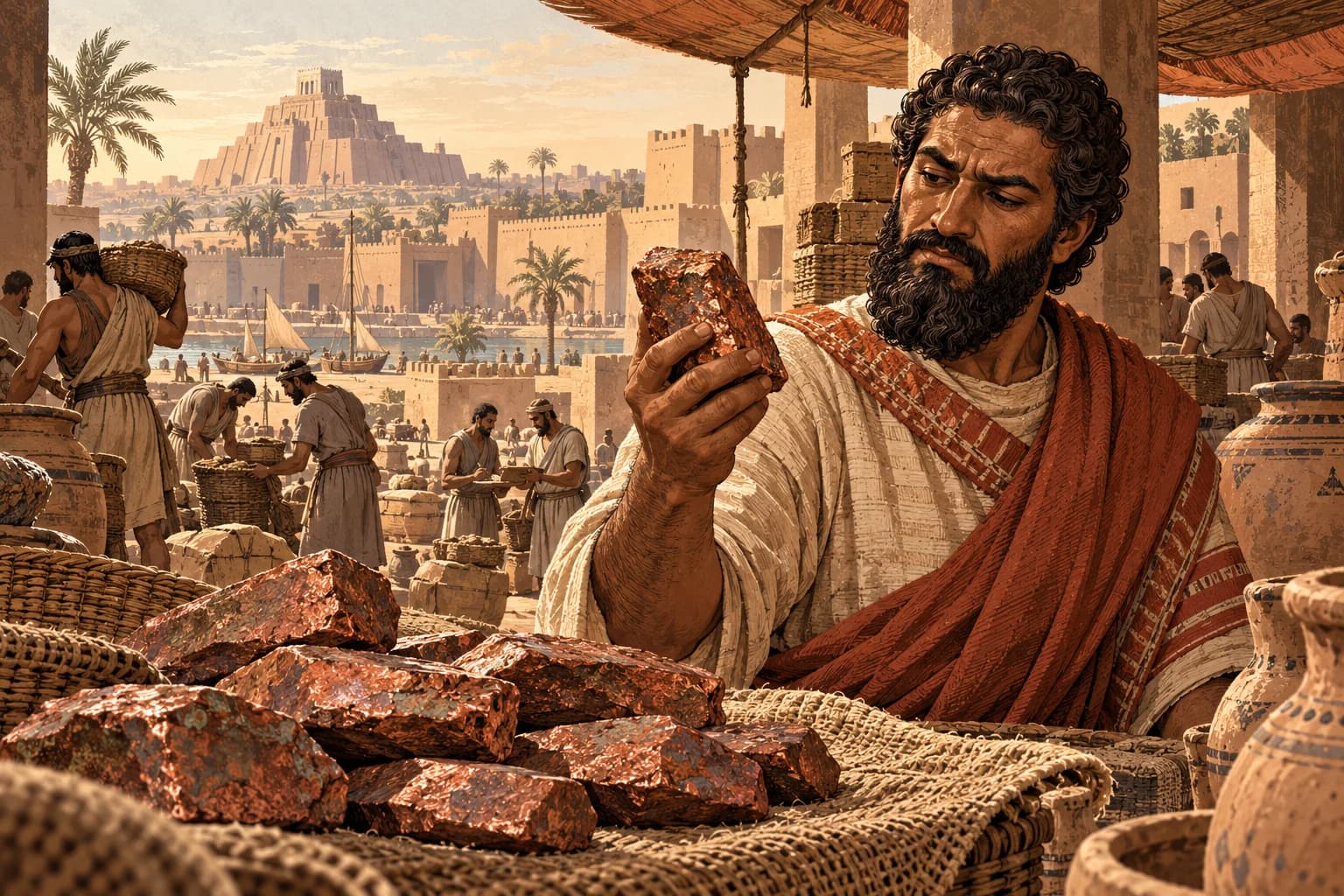
The deal
Good copper.
That was the promise.
Ea-nasir traded copper through Dilmun, in what is now Bahrain. Nanni was an investor in that trade, not simply a shopper who wandered into the wrong store. These were people doing serious business.
According to Nanni’s letter, Ea-nasir had promised quality ingots. What he offered Nanni’s messenger did not measure up. Nanni reports a dismissive response: accept the copper, or leave.
If you’ve ever paid for one thing and been told to settle for another, you can probably hear the tone of the letter already.
Nanni, in his own words
“What do you take me for, that you treat somebody like me with such contempt?”
Nanni to Ea-nasir · Translation by A. Leo Oppenheim [source]
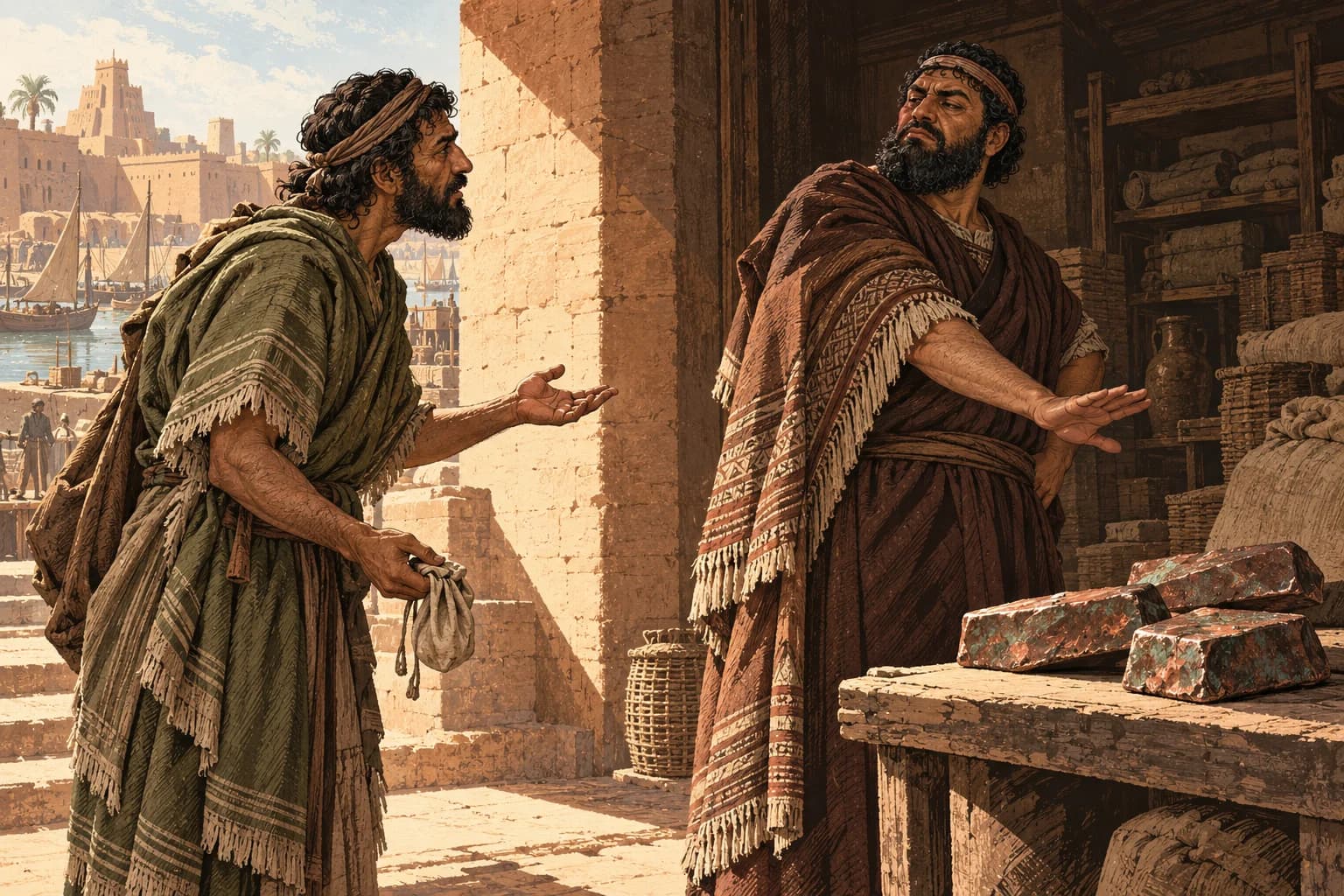
Adding insult to injury
And then there
was the service.
The copper was only part of it. Nanni says his messengers repeatedly returned empty-handed, despite travelling through enemy territory. He objects to their treatment and demands the return of his money.
“You alone treat my messenger with contempt!”
Nanni · Oppenheim’s translation [source]
That is the sting: Nanni singles Ea-nasir out from the other traders. The message is personal, indignant, and very clear.
Put it in writing
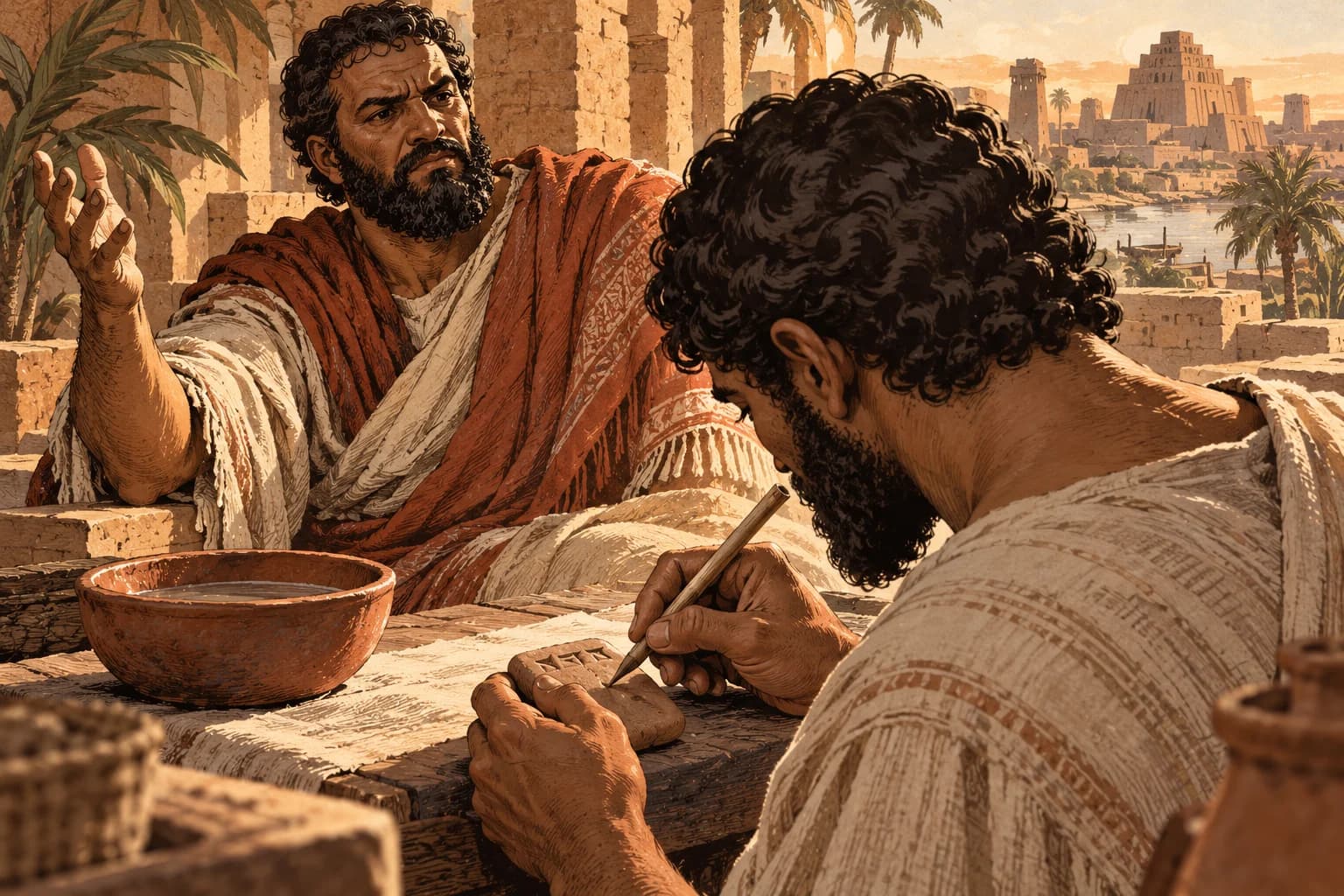
A small tablet.
A very firm boundary.
Nanni ends with conditions for future business. He will inspect the ingots individually in his own yard and reject any that fail his standards.
The complaint was written in Akkadian, in cuneiform on clay. It is a business letter with a demand for action, not just a memorable outburst.
The medium has changed. Wanting someone to stand behind what they sell has not.
What survived
The complaint lasted.
The ending is missing.
Excavators at Ur recovered tablets from a house associated with Ea-nasir. The surviving documents include investments, shipments, property transactions, and complaints. His business was bigger, and his story more complicated, than the internet’s bad-copper jokes suggest.
We do not have his reply. We cannot say whether Nanni got his money back. And the idea that Ea-nasir collected complaints for his own amusement is a modern invention, not an established fact.
What we do have is a voice that still feels familiar. The details are ancient. The frustration needs no explanation.
Nearly 4,000 years later
Nanni wrote a letter.
We built an app.
That refusal to settle is why his name felt right. Nani grew out of a familiar frustration: paying for accounting software, then paying again to get the work done.
Our answer is accounting software you buy once and connect to your own AI. Ask questions, find records, and get accounting work ready for your review. Keep your company file on your computer.
The name is a nod to Nanni, with one less “n.” The clay colors and wedge in our wordmark carry a little of that history forward.